
We're Here to Assist You
Mosquito Control: A Recent Job in Niagara Falls & How to Reduce Backyard Activity
Category: Holiday
Published: August 2026
By: Jim Petty, Owner, Petty Pest Control Services
What We Walked Into
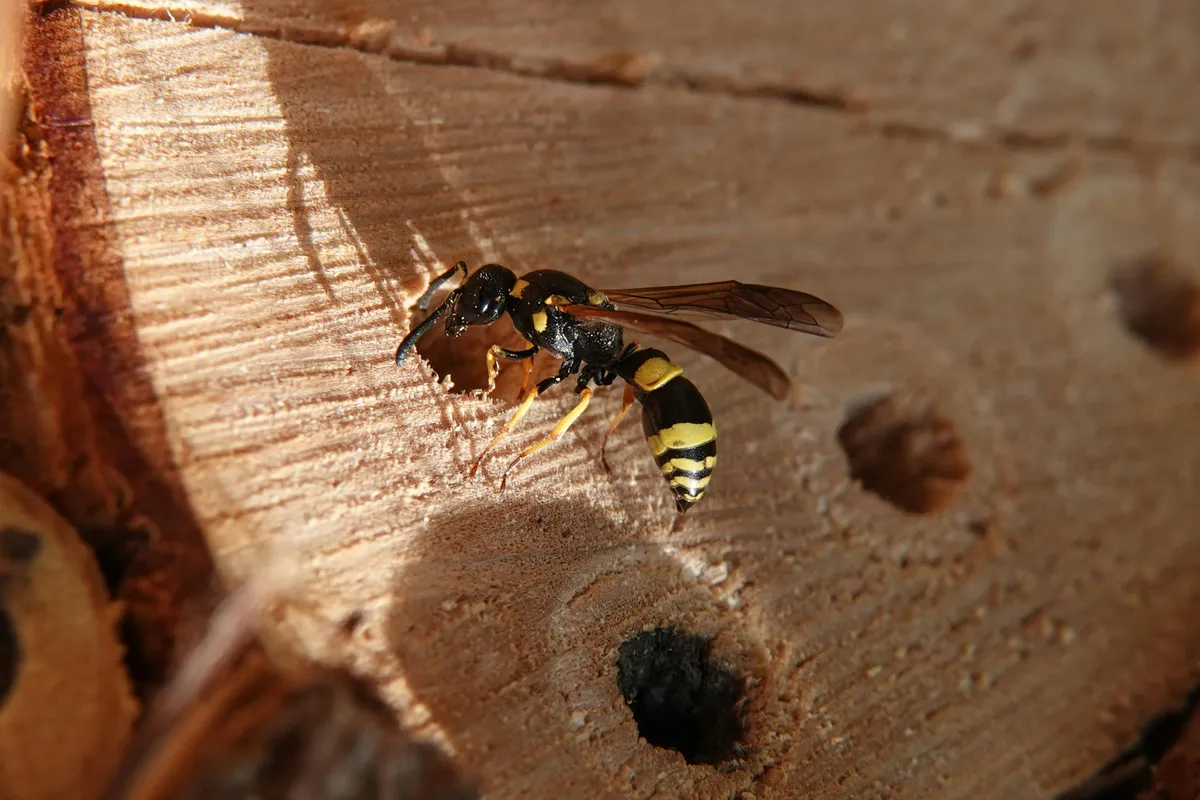
A Niagara Falls homeowner contacted us after noticing wasps repeatedly flying around a side entrance.
The activity initially appeared occasional, but the family began seeing wasps enter and leave the same opening near the roofline.
Because the opening was positioned above a frequently used doorway, the family had started avoiding that entrance whenever possible.
When I arrived, the homeowner showed me where the activity was most noticeable and explained how it had increased over time.
Their main concern was the location. Family members and visitors regularly passed beneath the active area when entering or leaving the property.

The Problem
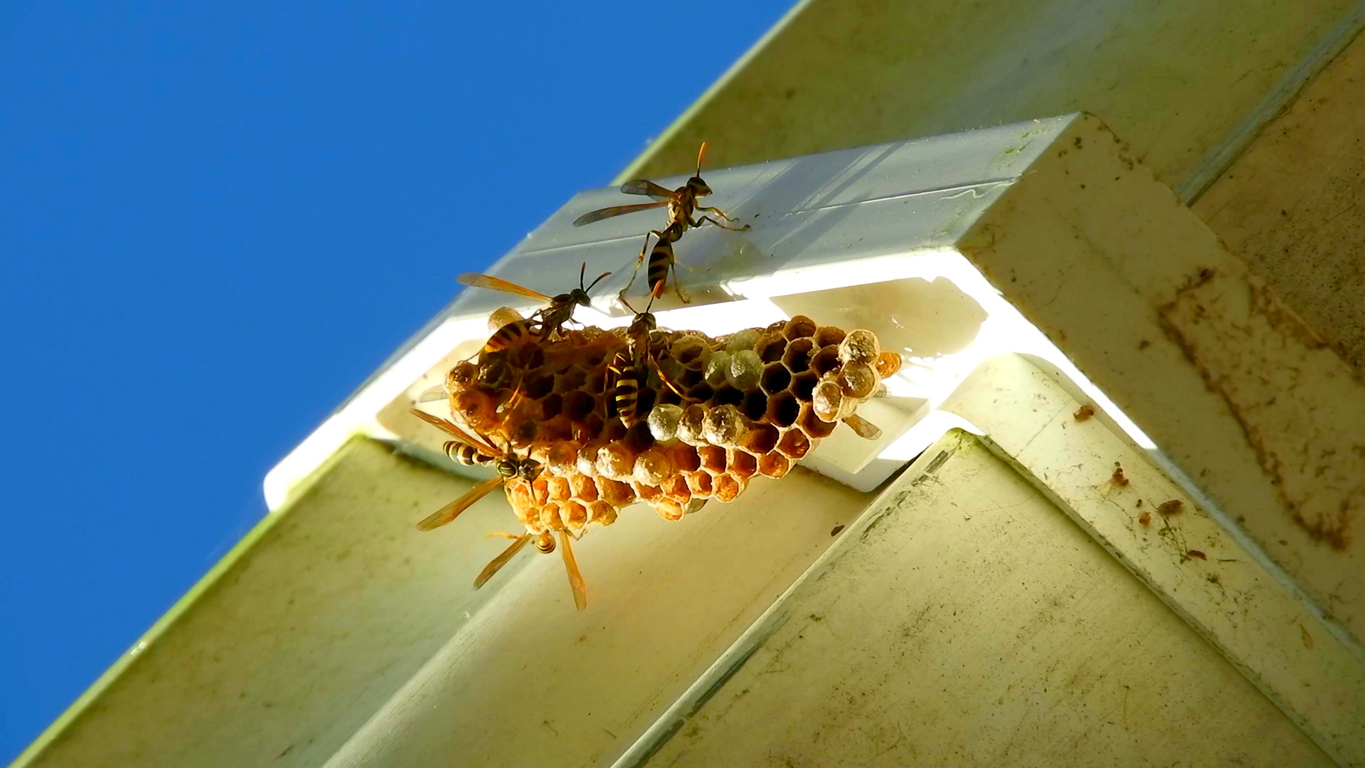
Repeated wasp traffic around the same exterior opening can indicate an active nesting area nearby.
During the inspection, several important conditions were identified:
Wasps were following a consistent flight path toward the roofline.
Activity was concentrated around a gap near the soffit.
The suspected nest was concealed rather than fully visible.
The opening was directly above a regularly used entrance.
Attempting to block the gap could have redirected activity elsewhere.
Because the nesting area appeared to be protected inside the structure, simply removing a visible nest was not an option.
The location also required careful attention because disturbing an active area could increase defensive behaviour around the doorway.
The Process
The goal was to identify the active opening, understand how the wasps were using the area and determine an appropriate service for the nest location.
Step 1 — Flight Path Inspection
I observed the direction of travel and followed the repeated wasp activity toward the roofline.
Step 2 — Entry Area Assessment
I inspected the soffit, surrounding exterior gaps and accessible roofline areas to identify the opening being used.
Step 3 — Property-Use Review
I considered the entrance, walkway and surrounding areas to understand where residents and visitors could encounter the wasps.
Step 4 — Recommended Wasp Service
The appropriate service was completed based on the activity and concealed nest location. The homeowner was advised not to block the opening immediately and was shown what to monitor afterward.
The Outcome
By the end of the service, the homeowner understood where the wasps were entering and why the opening should not have been sealed before assessment.
The family also had clear guidance concerning the doorway, monitoring period and exterior conditions requiring attention.
Instead of repeatedly spraying visible wasps, the service focused on the active area connected to the flight path.
The concern became easier to manage because the likely nesting location and appropriate next steps had been identified.

Practical Prevention Tips
These were the practical recommendations discussed with the homeowner:
Watch for repeated wasp traffic entering the same opening.
Do not block an active opening before professional assessment.
Inspect soffits, rooflines, siding and exterior vents for visible damage.
Keep outdoor garbage and recycling containers properly covered.
Clean food and drink spills around patios and entrances.
Remove fallen fruit and other outdoor food sources where practical.
Check sheds, decks and sheltered exterior areas for early nest activity.
Repair damaged screens and exterior gaps after activity has ended.
Keep children and pets away from an active nesting area.
Continue monitoring the affected location after service.
Early attention can help clarify the concern before activity increases around frequently used areas.
"It's brighter than before!"
— Megan
Professional Insight
Repeated flight is one of the most useful signs when locating concealed wasp activity.
A nest may not be visible from the outside, but wasps repeatedly entering the same roofline, wall or soffit opening can help identify the active area.
Blocking the opening before the activity is assessed may cause wasps to search for another route, including routes leading farther into the structure.
It is also important to identify whether the insects are wasps or bees because the appropriate response may be different.
Careful observation, identification and service based on the nest location provide a more practical approach than reacting only to the visible insects.
Closing Thoughts
Wasps can quickly make an entrance, walkway, patio or outdoor work area uncomfortable.
For properties across Niagara Falls & Southern Ontario, repeated activity around a roofline or wall opening may indicate that a nest is concealed nearby.
If wasps are repeatedly gathering or entering the same area, avoid disturbing or blocking the opening before it has been assessed.
Petty Pest Control can inspect the activity and recommend an appropriate next step based on the insect and nest location.
— Petty Pest Control
Address
4551 Zimmerman Ave, Niagara Falls, ON L2E 3M5, Canada
Contact Us
Call: +1 289-277-1798
© 2026 Petty Pest Control. All rights reserved.